
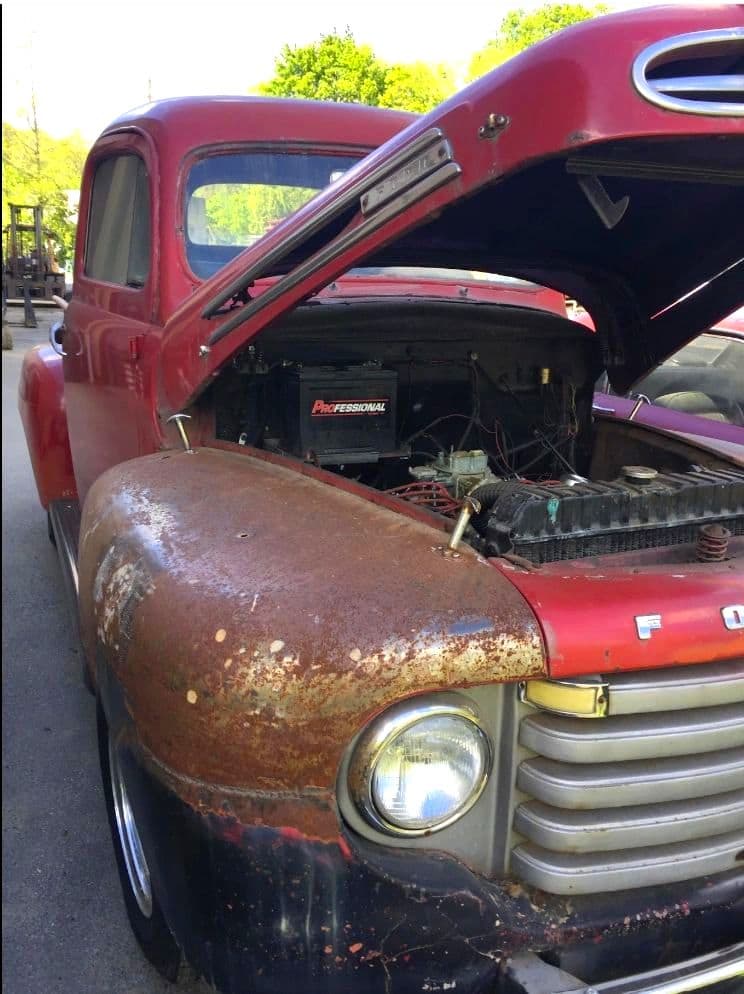
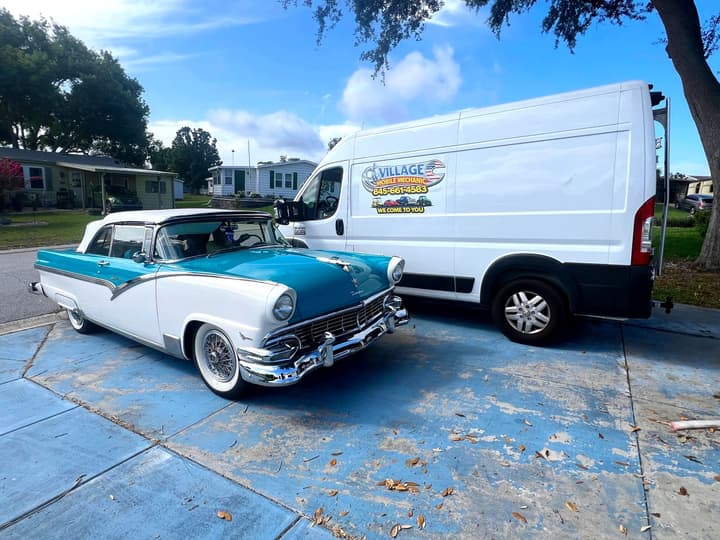
The Villages has a real classic and vintage vehicle community: cruise-ins, car clubs, and plenty of garages with something older and more interesting than a daily driver parked inside. Florida's climate is genuinely tougher on those vehicles than most owners realize. Here's what actually goes wrong and how to stay ahead of it.
Humidity attacks what dry climates don't
A lot of classic car advice online is written by people in dry states, and it misses what actually causes problems here. Rubber seals, hoses, and gaskets on older vehicles don't just dry out and crack in Florida. They can also soften, swell, or rot from constant moisture exposure, especially on a car that isn't driven often. Old wiring and ignition points corrode faster in our humidity than they would in a dry garage in Arizona or Colorado.
Carburetors and ethanol fuel don't mix well with time
Most classics still run a carburetor, and modern ethanol-blended gas is genuinely harder on them than the fuel they were designed around. Ethanol attracts moisture. A carburetor that sits for weeks or months with ethanol fuel in the bowl is a common source of gummed jets and hard starting. I see it often on older Jeeps, trucks, and cars around here. A fuel stabilizer and shorter intervals between drives make a real difference.
Rust shows up in different places than up north
Classic car owners who moved here from the rust belt sometimes relax about rust entirely, since Florida doesn't get the road salt that eats frames up north. That's true. But humidity still causes its own kind of corrosion, especially in hidden spots like frame rails, brake lines, and fuel lines that trap moisture and never fully dry out. It's a different pattern than salt rust, but it's not nothing.
What actually helps
Drive it regularly. Even a short trip every couple of weeks keeps seals conditioned, the carburetor clean, and the battery charged, far more effectively than long-term sitting with occasional starts. Store it in a garage rather than under an outdoor cover if at all possible, since Florida's swings between hot days and cool, damp nights are hard on anything parked outside. Use a fuel stabilizer in anything carbureted that won't be driven for a few weeks or more. Have the brake lines and fuel lines inspected periodically rather than waiting for a visible leak. Hidden corrosion doesn't announce itself until it fails.
Why a mobile mechanic makes sense for classic work
A lot of classic and vintage vehicle work (points ignition, carburetor tuning, electrical troubleshooting on older wiring) doesn't require a shop lift. It requires someone who actually understands how these systems work, which is different from general modern car experience. That kind of work translates well to a driveway visit, and it means your classic doesn't have to survive a flatbed ride to get looked at.
Frequently asked questions
Should I switch my classic to modern electronic ignition?
For a car that sits for weeks between drives, an electronic ignition conversion (replacing old points) often solves hard-starting problems for good and is a reasonable upgrade that doesn't compromise the car's character.
How often should a classic car be driven if I'm not using it daily?
Every couple of weeks is a good target. Longer than that, and take extra steps like a battery tender and fuel stabilizer.
Do you work on older vehicles without modern computers?
Yes. This is a specialty of mine: ignition systems, carburetors, and the electrical quirks that come with older vehicles.
Need a hand with this?
If you've got a classic or vintage vehicle in The Villages, Lady Lake, or Oxford that needs attention, call or text Village Mobile Mechanic. I come to your garage, no trailer required.